MSK-IX outlines digitalization trends at BKOS
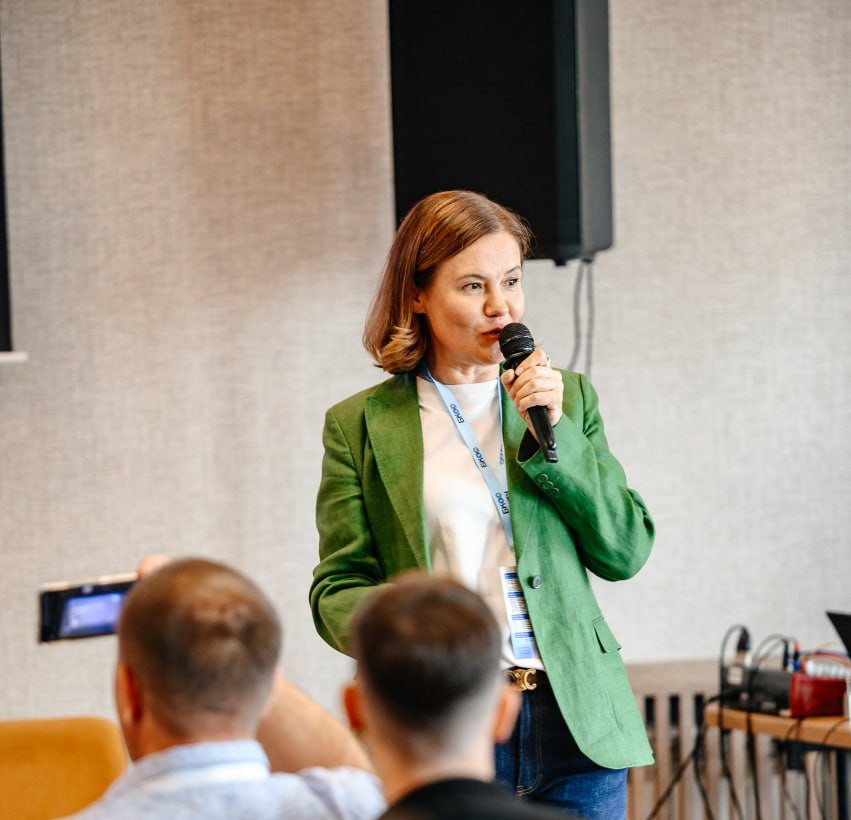
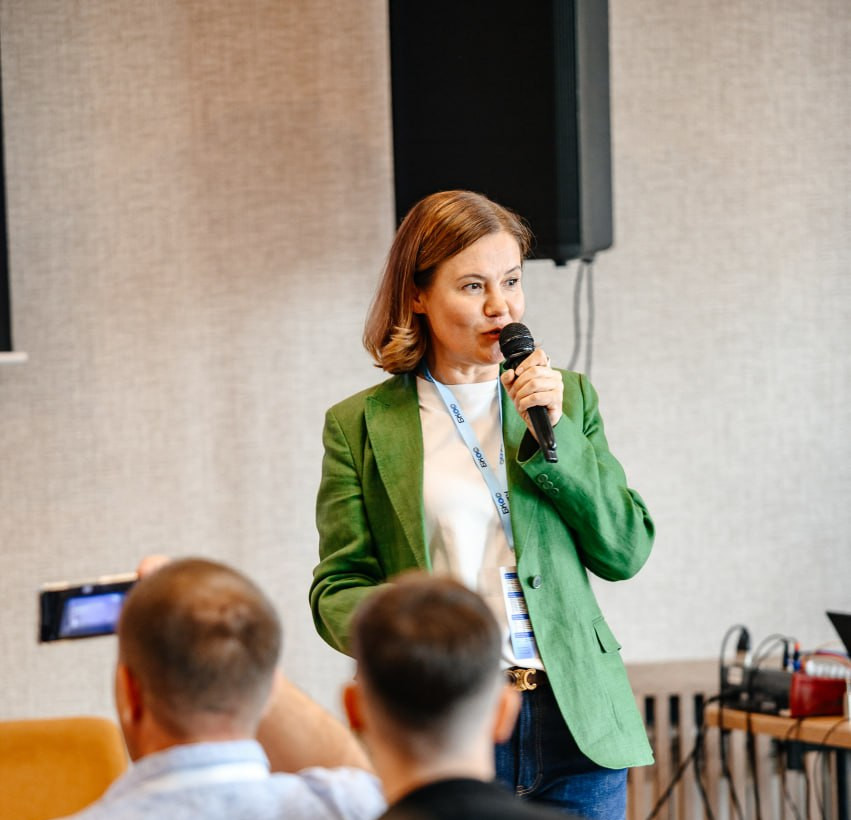
According to Antipenko, the key change in the telecommunications market in recent years has been a structural shift in content consumption. Restrictions on foreign services triggered a sharp increase in demand for domestic resources, video platforms, and online marketplaces. At the height of this transition, traffic on the MSK-IX infrastructure surged by 40 percent, followed by a phase of steady organic growth.
In the current environment, digital resilience (the ability of businesses to maintain service availability for end users despite a growing number of external threats, including large-scale DDoS attacks and network capacity constraints) is becoming a central concern for telecom operators.
“Today, regional operators no longer need to lease lines to Moscow for basic connectivity. The entire range of popular Russian content, including online marketplaces and video platforms, can be accessed through a local traffic exchange point with minimal latency and guaranteed quality of service. This enables companies to significantly reduce their expenditure on backbone capacity and IP transit,” Oksana Antipenko emphasized.
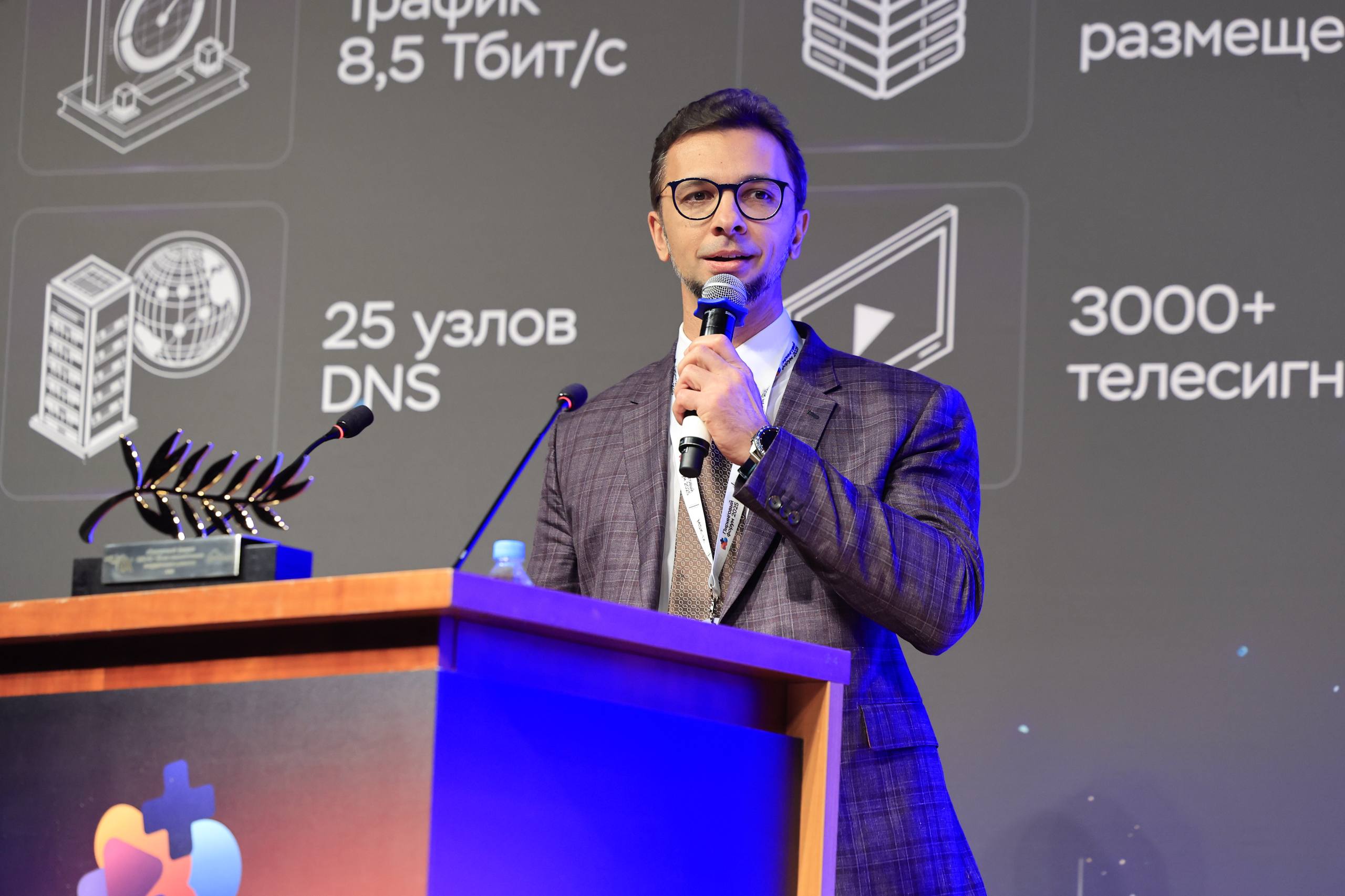
MSK-IX nodes, spanning 11 cities and 47 points of presence and interconnected by redundant backbone lines, allow regional participants to access Russian media content without having to lease expensive lines to Moscow. IX infrastructure and traditional IP transit are complementary solutions that help minimize network latency for end users.
As part of its product ecosystem, MSK-IX provides services across five digital platforms, covering Internet Exchange peering; Instanet platform for direct access to essential networks and cloud services that provide cyberattack protection; Always-On DDoS protection, provided in partnership with Mitigator; Anycast DNS infrastructure; and the Medialogistika and Mediabaza platforms.
Positive growth was also noted in the international segment. Despite challenges with cross-border settlements, the number of participants from CIS countries connecting through international partners has increased significantly.