Television by internet rules
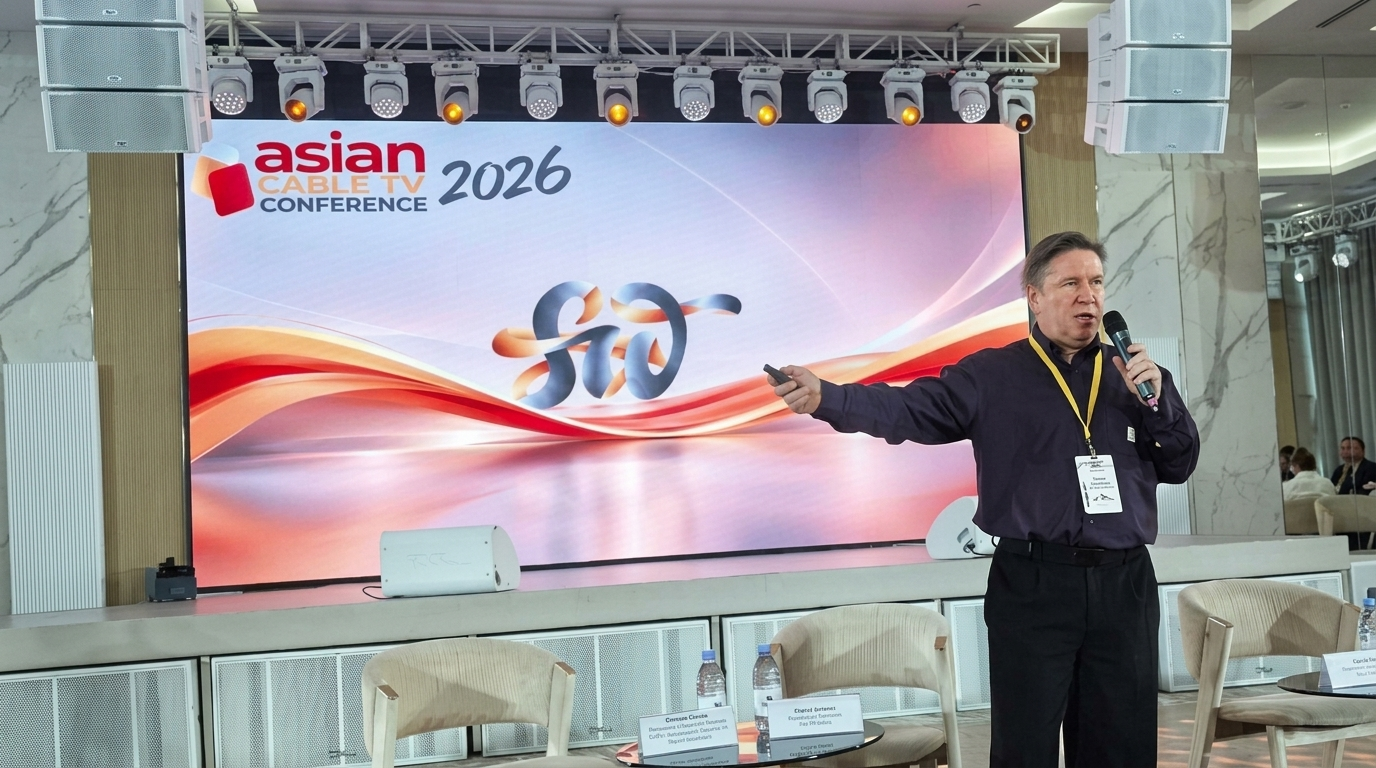
One of the defining trends in today’s media industry is the migration of viewers from conventional cable television to online platforms, alongside the rapid growth of the FAST segment – free, linear television delivered over the internet and monetized through advertising. According to analytics firm Omdia, the global FAST market is projected to reach $11 billion by 2030. However, moving into the digital space requires media companies not only to rethink their AdTech strategies – including technologies such as SSAI/CSAI personalized ad insertion, SCTE-35 signaling standard, and loudness normalization – but also to reduce the costs associated with preparing content for broadcast.
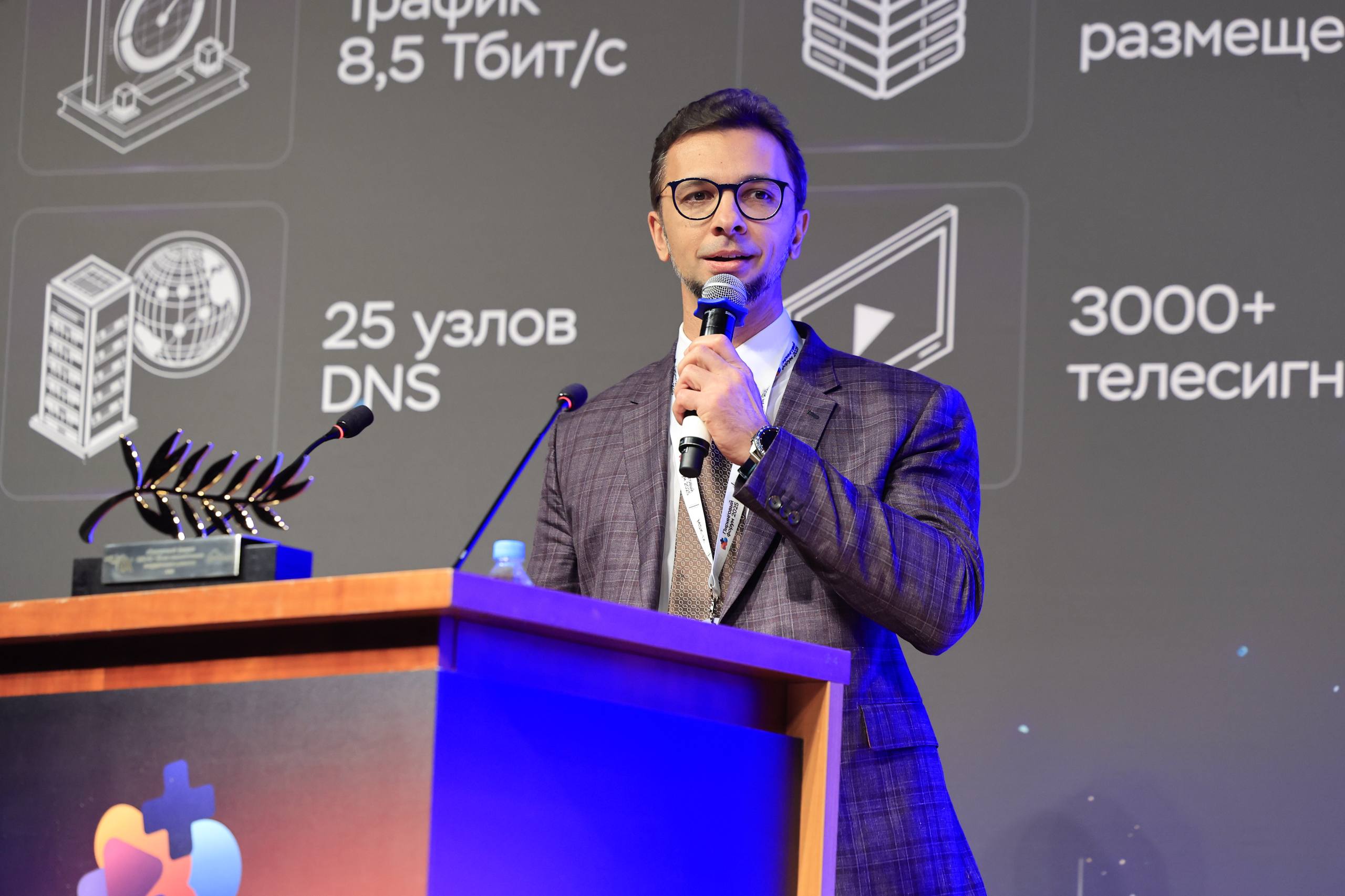
Grigory Kuzin outlined three scenarios for launching an internet TV channel and demonstrated how Mediabaza, an industrial B2B platform developed by MSK-IX, can address broadcasters’ needs at every stage.
Scenario 1: An existing TV channel. The channel’s signal is received and prepared for internet distribution using the Medialogistika platform infrastructure.
Scenario 2: An existing content library. Content files are uploaded to Mdisk, a secure, professional cloud storage service within the Mediabaza ecosystem. A schedule is then created, with the channel launched using cloud-based playout.
Scenario 3: An existing idea for a channel. The media company selects ready-made content from the Mediabaza B2B marketplace, secures the necessary rights directly from copyright holders, and builds a unique channel from scratch.
A key technology for reducing costs is FAST Play, an AI-powered cloud playout service. Under an editor’s supervision, the AI automatically structures the broadcast schedule, creates inter-program promos, and generates graphics and EPG data by analyzing video and audio content. This approach delivers a four-fold reduction in playout operating costs as compared with conventional solutions.
Mediabaza also functions as an effective showcase and B2B distribution marketplace. Online platforms and telecom operators can view an interactive channel profile, test the broadcast stream in a watermarked demo player, and order the channel for distribution with just a few clicks.
“Television is beginning to operate according to the logic of the internet. The shift of audiences from conventional cable to online platforms is not solely a change in the means of delivery; it represents a fundamental transformation of the entire technology and business value chain. To monetize their content successfully today, broadcasters need unified, end-to-end tools ranging from content selection and storage on Mediabaza to intelligent playlist creation, ad insertion, and instant signal delivery to platforms and viewers,” Grigory Kuzin emphasized.
In conclusion, the speaker presented a hypothetical financial model for sharing advertising revenues among the channel, the platform, and the sales agency. The model clearly demonstrated that process automation can make even niche thematic channels commercially viable.
About the event
The Asian Cable TV International Conference, organized by Silk Way Media, is an annual professional forum held in Kazakhstan. It brings together telecom operators, broadcasters, OTT platforms, rights holders, and technology providers from the pay-TV and telecommunications sectors across Central Asia and the CIS.